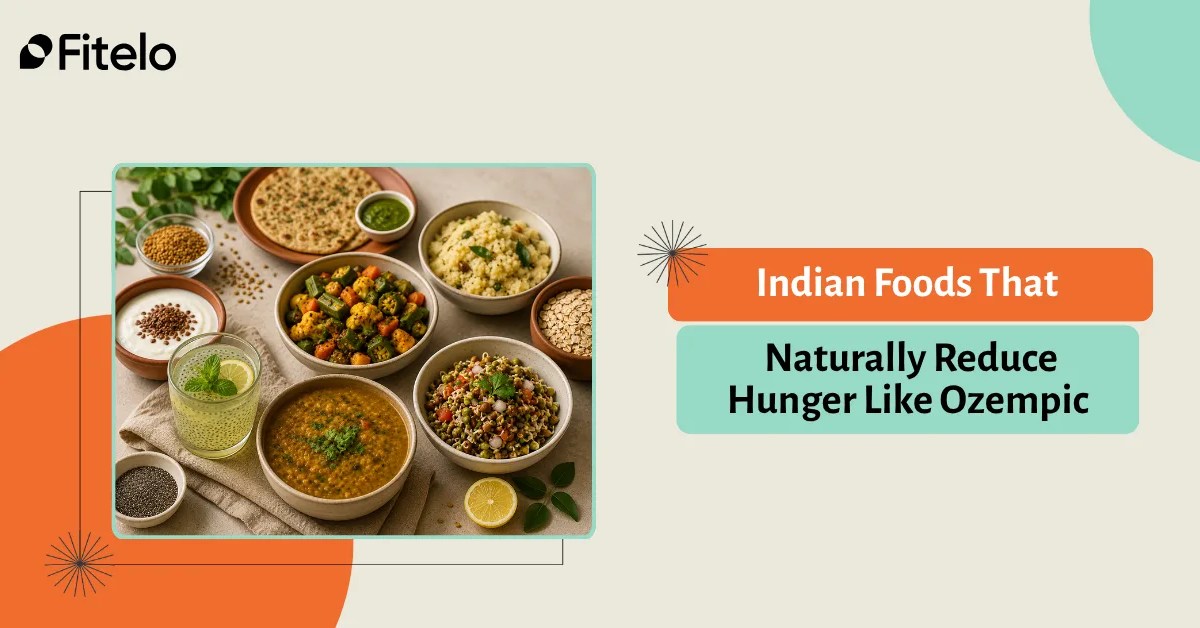

Weight loss conversations today are dominated by one word: GLP-1.
Medications like Ozempic have become popular because they help people feel fuller, eat less, and experience fewer cravings. But the real question many people are asking is: Can food help create some of the same fullness signals naturally?
The answer is surprisingly interesting.
Your appetite is controlled by a network of hormones including GLP-1, ghrelin, leptin, insulin, and peptide YY. Certain foods can influence these hormones by slowing digestion, stabilizing blood sugar, feeding beneficial gut bacteria, and increasing feelings of satiety.
While no food works exactly like a medication, research shows that meals rich in protein, fiber, resistant starch, and healthy fats can naturally help you stay satisfied for longer. The good news is that many of these foods have been part of traditional Indian diets for generations.
If you’re constantly hungry despite trying to lose weight, the solution may not be eating less. It may be choosing foods that help your body feel fuller naturally.
Why Do GLP-1 Medications Reduce Hunger in the First Place?
Before looking at foods, it’s important to understand what actually happens inside the body. GLP-1 (Glucagon-Like Peptide-1) is a hormone released by the intestines after eating.
Its job is to:
- Slow stomach emptying
- Increase feelings of fullness
- Reduce appetite
- Improve blood sugar regulation
- Decrease cravings for high-calorie foods
This is why many people taking GLP-1 medications report feeling satisfied with smaller portions.
Interestingly, certain foods naturally encourage the release of GLP-1 and other satiety hormones.
Research has shown that protein-rich meals can significantly increase GLP-1 secretion compared to highly processed carbohydrate-heavy meals. Fiber-rich foods also help by slowing digestion and feeding gut bacteria that produce compounds linked to appetite regulation.
This means your plate can directly influence your hunger hormones.
The secret to appetite control isn’t starving yourself. It’s learning how to build meals that naturally support fullness. Fitelo helps create personalized nutrition plans that work with your hunger hormones, not against them.
12 Indian Foods That Naturally Help You Stay Full Longer

1. Moong Dal
Moong dal provides a powerful combination of protein and soluble fiber. Together, they slow digestion, improve satiety, and help prevent sudden hunger spikes. Studies show legumes can increase fullness for several hours after a meal compared to refined grains.
2. Chana (Chickpeas)
Chickpeas contain resistant starch, protein, and fiber. This combination slows glucose absorption and supports healthy gut bacteria, both of which are linked to better appetite control.
3. Rajma
Rajma has a low glycemic impact and digests slowly. It helps maintain stable blood sugar levels, reducing the energy crashes that often trigger cravings.
4. Paneer
Paneer is rich in casein protein, a slow-digesting protein that provides sustained fullness. This makes it particularly useful for reducing evening hunger and unnecessary snacking.
5. Greek Yogurt or Hung Curd
Its high protein content supports satiety while beneficial bacteria help improve gut health. Emerging research suggests the gut microbiome may play a major role in appetite regulation.
6. Eggs
Studies consistently rank eggs among the most filling foods available. Starting the day with eggs has been shown to reduce calorie intake later in the day.
7. Oats
Oats contain beta-glucan, a unique fiber known to increase satiety and slow gastric emptying. This helps reduce hunger between meals.
8. Bajra
Bajra contains more fiber and protein than many refined grains. Its slow digestion promotes longer-lasting fullness and stable energy.
9. Jowar
Jowar provides complex carbohydrates and fiber that support appetite control while delivering steady energy throughout the day.
10. Guava
Unlike many fruits, guava combines natural sweetness with substantial fiber. This helps satisfy sugar cravings while supporting fullness.
11. Almonds
Research shows almonds can improve satiety despite their small serving size. Their combination of protein, fiber, and healthy fats makes them an ideal snack.
12. Flaxseeds
Flaxseeds absorb water and expand in the digestive tract, helping increase fullness. They also provide omega-3 fats that support overall metabolic health.
What makes these foods powerful isn’t any single nutrient. It’s their ability to influence hunger hormones, blood sugar stability, digestion speed, and satiety simultaneously.
The right foods can make healthy eating feel easier. Fitelo’s experts help combine protein, fiber, and healthy fats strategically to keep hunger under control throughout the day.
The Hidden Reason Most People Stay Hungry Despite Eating Enough
Many people assume hunger means they need more food. Often, they need better food.
A breakfast of tea, biscuits, cereal, or toast may provide calories, but it lacks the protein and fiber needed to activate satiety hormones effectively.
This creates a common cycle:
- Quick energy spike
- Blood sugar crash
- Hunger returns
- Cravings increase
- Snacking begins
Research shows protein-rich breakfasts can reduce hunger throughout the entire day compared to high-carbohydrate breakfasts. The same principle applies to every meal.
When meals are built around:
- Protein
- Fiber
- Whole foods
- Healthy fats
The body receives stronger signals that enough food has been consumed.
This is why two meals containing the same calories can produce completely different hunger responses. The quality of calories often matters just as much as the quantity.
If you’re constantly hungry while trying to lose weight, the issue may not be willpower. Fitelo helps identify the nutritional gaps keeping your appetite active and creates sustainable solutions.
How to Build an Appetite-Control Plate Using Indian Foods?
Knowing the right foods is only half the battle. The real magic happens when they are combined properly. A hunger-controlling meal should contain:
Protein Anchor
Choose one:
- Paneer
- Dal
- Eggs
- Chicken
- Fish
- Greek yogurt
Fiber Source
Choose one:
- Vegetables
- Salad
- Legumes
- Fruits
Smart Carbohydrates
Choose one:
- Bajra roti
- Jowar roti
- Oats
- Brown rice
Healthy Fat
Choose one:
- Nuts
- Seeds
- Peanut chutney
For example:
Breakfast
Vegetable moong dal chilla + curd
Lunch
Rajma + salad + jowar roti
Snack
Guava + almonds
Dinner
Paneer bhurji + vegetables
This combination naturally slows digestion, supports GLP-1 release, improves satiety, and reduces cravings. The goal isn’t to eat less food. The goal is to stay satisfied with the food you eat.
At Fitelo, we focus on sustainable appetite management through balanced nutrition, helping you lose fat without constantly battling hunger.
Conclusion
For years, weight loss advice focused on one message: eat less. But science now shows that managing hunger is often more important than simply cutting calories.
The reason GLP-1 medications have gained so much attention is that they help people feel satisfied with less food. Interestingly, certain traditional Indian foods can support some of the same natural fullness pathways by slowing digestion, stabilizing blood sugar, and increasing satiety hormones.
Foods like dal, paneer, eggs, chickpeas, millets, curd, and fiber-rich fruits don’t just provide nutrition, they help make healthy eating feel easier. When meals are built around protein, fiber, and whole foods, cravings often become less intense, portion control feels more natural, and weight loss becomes more sustainable.
The goal isn’t to constantly fight hunger. The goal is to create meals that keep you satisfied, energized, and consistent. Because long-term weight loss rarely comes from eating less, it comes from feeling full enough to stay on track.
Frequently Asked Questions
Can Food Work Exactly Like Ozempic For Reducing Hunger?
No. Foods cannot replicate the effects of GLP-1 medications exactly. However, protein-rich and fiber-rich foods can naturally support fullness hormones, slow digestion, and help reduce hunger and cravings throughout the day.
Which Indian Food Keeps You Full For The Longest Time?
Foods rich in both protein and fiber tend to be the most filling. Paneer, eggs, moong dal, chickpeas, rajma, Greek yogurt, and millets can help keep hunger under control for several hours.
Why Do I Feel Hungry Soon After Eating?
This often happens when meals are low in protein and fiber or high in refined carbohydrates. Blood sugar rises quickly and then drops, triggering hunger and cravings even if you’ve eaten enough calories.
Can Protein Really Help Reduce Appetite?
Yes. Research consistently shows that protein is the most satiating nutrient. It helps reduce hunger hormones, increases fullness signals, and can naturally lower overall calorie intake during the day.
What Should I Eat When Hunger Strikes Between Meals?
Choose snacks that combine protein and fiber, such as roasted chana, Greek yogurt, fruit with nuts, sprouts chaat, or paneer cubes. These options provide longer-lasting satisfaction than sugary or processed snacks.


Join the conversation
No comments yet — be the first to share your thoughts.