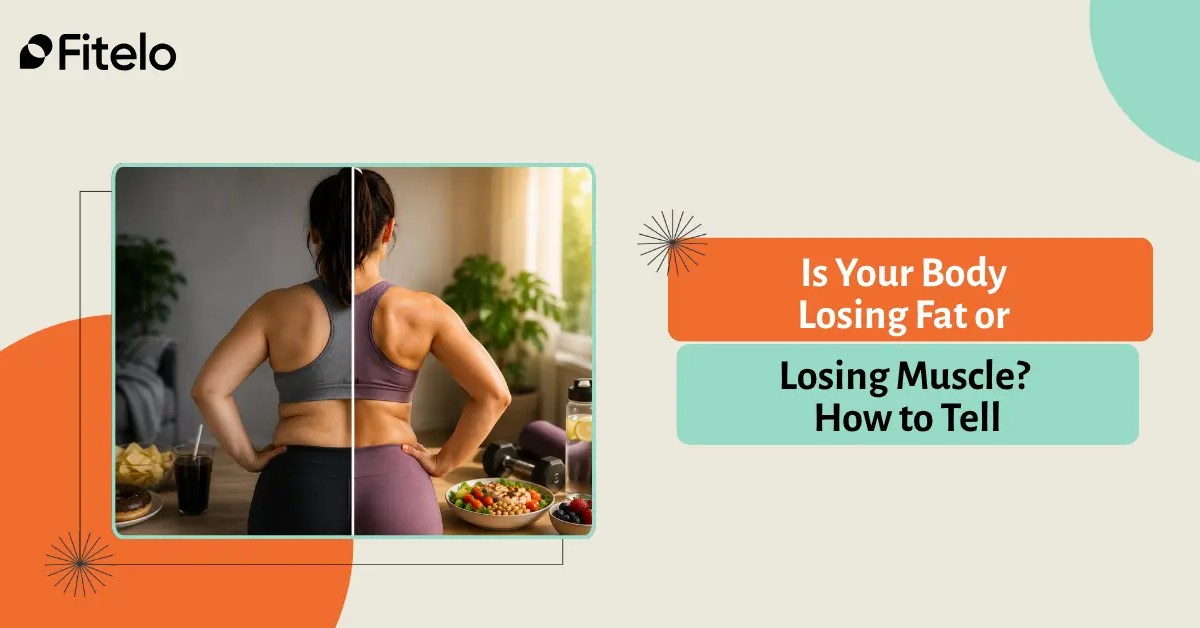

The weighing scale says you’ve lost 5 kilos. Everyone compliments your weight loss. But you feel more tired, your workouts feel harder, and somehow your body doesn’t look as toned as you expected.
So, what exactly happened?
This is one of the biggest questions in modern weight loss: Are you actually losing fat, or are you losing valuable muscle too?
Most people assume all weight loss is good weight loss. Unfortunately, that’s not always true. Your body weight is made up of several things, fat, muscle, water, and even glycogen stores. When the number on the scale drops, it doesn’t automatically mean you’re losing body fat.
Research suggests that during rapid or highly restrictive weight-loss programs, a significant portion of the weight lost can come from lean body mass, including muscle.
And that matters because muscle does much more than help you look toned. It influences metabolism, strength, blood sugar control, energy levels, and even long-term weight maintenance.
Understanding the difference between fat loss and muscle loss could completely change the way you approach your health journey.
Why Doesn’t Your Weighing Scale Tell the Whole Story?
One of the biggest mistakes people make is using the weighing scale as the only measure of progress.
The scale simply measures total body weight. It cannot tell you whether you lost:
- Body fat
- Muscle
- Water weight
- Glycogen stores
This is why two people can lose the same amount of weight but end up looking completely different.
Imagine losing 5 kg primarily from fat. Clothes fit better, body shape improves, and energy remains stable.
Now imagine losing 5 kg while also losing a large amount of muscle. You may feel weaker, softer, and more tired despite the lower number on the scale.
This is often called the “skinny fat” effect, where body weight decreases but body composition does not improve significantly.
Research consistently shows that preserving muscle during weight loss is important because muscle tissue plays a major role in metabolic health.
The scale may move quickly during aggressive dieting, but faster is not always better.
A slower, more balanced approach often leads to better body composition and more sustainable results.
This is why experts increasingly recommend tracking additional markers such as:
- Body measurements
- Strength levels
- Progress photos
- Energy levels
- Clothing fit
The number on the scale tells only part of the story.
Healthy progress isn’t just about weighing less. Fitelo focuses on improving body composition so you lose fat while supporting strength and long-term wellness.
What Are the Signs That You Might Be Losing Muscle Instead of Fat?
Your body often gives clues when muscle loss is occurring. One of the most common signs is feeling weaker.

If everyday activities suddenly feel more difficult or your workout performance is declining, muscle loss could be contributing.
Other signs include:
- Increased fatigue
- Reduced stamina
- Feeling “soft” despite weight loss
- Slower recovery after exercise
- Hair thinning or low energy due to undernutrition
- Increased hunger and cravings
Another important sign is rapid weight loss.
Losing weight very quickly may increase the likelihood that some of the lost weight comes from muscle tissue, especially when protein intake is low.
You may also notice:
- Smaller arms and legs
- Less muscle definition
- Difficulty maintaining physical activity
Research suggests that insufficient protein intake and lack of resistance exercise significantly increase the risk of muscle loss during calorie restriction.
This matters because muscle helps regulate:
- Metabolism
- Blood sugar
- Physical strength
- Long-term weight maintenance
Many people become frustrated when weight loss slows down later. In some cases, muscle loss may be one reason metabolism becomes less efficient.
Protecting muscle isn’t only important for appearance, it’s important for overall health.
Weight loss should help you feel stronger, not weaker. Fitelo’s personalized plans focus on preserving muscle while supporting sustainable fat loss.
Why Does Muscle Loss Make Future Weight Loss Harder?
Muscle is metabolically active tissue. This means it requires energy even when you are resting.
While muscle doesn’t burn hundreds of extra calories as often exaggerated online, maintaining healthy muscle mass still plays an important role in total energy expenditure and metabolic health.
When muscle loss occurs, several things may happen:
1. Lower Daily Energy Expenditure
Your body may gradually require fewer calories.
2. Reduced Strength and Activity
Feeling weaker often makes exercise more difficult.
3. Higher Risk of Weight Regain
Regained weight often returns as body fat rather than muscle.
4. Poorer Body Composition
Body fat percentage may increase despite a lower scale weight.
Research also suggests that preserving muscle during weight loss improves long-term success and supports better maintenance afterward. This is why many experts are shifting the focus away from simply losing weight toward improving body composition.
Muscle preservation becomes even more important with age because natural muscle loss already occurs gradually over time. Protecting muscle today may help support better mobility, metabolism, and independence later in life.
Sustainable weight loss means protecting the tissues that keep you strong and healthy. Fitelo helps you focus on fat loss, not simply weight loss.
How Can You Encourage Fat Loss While Protecting Muscle?
The good news is that muscle loss is not unavoidable. Several strategies can significantly improve your chances of losing mostly fat.
1. Prioritize Protein
Protein is one of the most important nutrients during weight loss.
Adequate protein intake helps:
- Preserve lean muscle
- Improve fullness
- Support recovery
- Reduce excessive muscle breakdown
2. Include Resistance Training
Strength training sends an important signal to the body:
“This muscle is needed. Keep it.”
Even simple bodyweight exercises can be beneficial.
3. Avoid Extreme Calorie Restriction
Very low-calorie diets often increase fatigue and may raise the risk of losing muscle.
4. Sleep Well
Poor sleep can impair recovery and negatively affect appetite regulation and muscle maintenance.
5. Lose Weight Gradually
Slower, sustainable weight loss often supports better body composition compared to rapid approaches.
The healthiest weight-loss journey isn’t the fastest one. It’s the one that helps you improve health while preserving energy, strength, and confidence.
At Fitelo, personalized meal plans emphasize balanced nutrition, adequate protein, and sustainable lifestyle habits that support healthy fat loss without unnecessary restriction.
You deserve results that help you feel stronger and healthier. Fitelo helps you build habits that protect your metabolism while supporting lasting fat loss.
Conclusion
Not all weight loss is the same. The number on the scale may decrease, but what truly matters is what your body is losing.
Fat loss generally improves health, body composition, and metabolic function. Excessive muscle loss, however, may lead to fatigue, reduced strength, slower metabolism, and greater difficulty maintaining results long term.
This is why focusing only on rapid weight loss can sometimes be misleading.
A healthier question to ask is:
“Am I becoming healthier, stronger, and more energized?”
Protecting muscle while losing fat creates better outcomes—not just for appearance but also for long-term health.
The best transformation isn’t simply becoming lighter.
It’s becoming healthier.
Fitelo believes in sustainable fat loss that supports your body rather than depriving it.
Frequently Asked Questions
How Can I Know If I Am Losing Muscle Instead Of Fat?
Signs may include weakness, lower exercise performance, fatigue, loss of muscle definition, and rapid weight loss despite feeling less energetic.
Does Rapid Weight Loss Increase Muscle Loss?
Yes. Very restrictive diets and insufficient protein intake may increase the likelihood of losing lean muscle mass.
Why Is Muscle Important During Weight Loss?
Muscle supports metabolism, physical strength, blood sugar regulation, mobility, and long-term weight maintenance.
Can I Lose Fat Without Losing Muscle?
Yes. Adequate protein intake, resistance training, proper sleep, and gradual weight loss can help preserve muscle.
Is The Weighing Scale Enough To Track Progress?
No. Progress photos, body measurements, strength levels, clothing fit, and energy levels provide a more complete picture of body composition changes.


Join the conversation
No comments yet — be the first to share your thoughts.