Did you know that there is a wide search on the internet for ‘how to increase hemoglobin’? It’s a hot topic— and for a good reason! Hemoglobin is very important in transporting oxygen throughout the body. When hemoglobin levels are low, you might feel tired and weak or even suffer more severe health implications.
Many seek out answers on Google and YouTube, only to leave even more confused. Sound familiar? Well, you’ve come to the right place because here at Fitelo, we have got you covered!
Here’s an interesting fact to get us started: Studies show that iron deficiency is the most common nutritional disorder globally, affecting over 1.6 billion people! The good news? Boosting your hemoglobin does not have to be dull or complicated.
Stick around as we discover surprising natural ways to enhance your hemoglobin levels. It’s about either superfoods, small lifestyle tweaks, or clever home remedies, and you’re going out of here with practical tips for feeling healthier and more energetic. Let’s start!


What Is Hemoglobin?
Hemoglobin is a protein that is found in red blood cells and is responsible for carrying oxygen around the body. However, dietary measures and supplements help boost hemoglobin levels at home.
Also, apart from transporting oxygen, hemoglobin carries carbon dioxide out of the cells and into the lungs and then releases it as a person exhales.
So, keep in mind low hemoglobin can make it difficult for the body to perform these functions.
Team up with your doctor to determine a safe dosage, and don’t take more than 25 mg at once. The Office of Dietary Supplements at the National Institutes of Health suggests that men consume as much as 8 mg of iron daily and women consume as much as 18 mg daily. If you are pregnant, you should aim for as much as 27 mg a day.
What Can Happen If Hemoglobin Is Low?
A low level of hemoglobin makes it difficult for the body’s organs to get enough oxygen, which can further lead to a plethora of symptoms, including fatigue, dizziness, headaches, shortness of breath, fast heart rate, pale skin, etc. However, low levels of hemoglobin in the blood are called anemia and are, therefore, quite common in India, especially in women.
Causes Of Low Hemoglobin
Causes of low hemoglobin are several in number, which, of course, includes anemia. According to the National Library Of Medicine, 30%–50% of anemia in children and other groups is caused by iron deficiency.
However, take a look at the below possible reasons.
- Deficiency in iron, vitamin B-12, or folate
- Substantial blood loss
- Cancers that affect the bone marrow, like leukemia
- Kidney disease
- Liver disease
- Hypothyroidism
- A hereditary disease that prevents hemoglobin from functioning properly is called thalassemia.
- A genetic disorder that causes a reduction in red blood cells and hemoglobin which is called sickle cell anemia.
- lung disease
- Excessive smoking
- Extreme physical exercise
How To Increase Hemoglobin? – Home Remedies
Now, after knowing the causes, it is important to know how to increase them. So, below is the list of foods that you should intake or add to your diet for anemia to manage the hemoglobin levels in your body:
1. Increase Iron Intake
A person who has low levels of hemoglobin should increase their level by eating foods that are rich in iron as they work to boost the production of hemoglobin and further help to form more red blood cells. So, the below foods will help you cure iron deficiency anemia issues.
Iron-rich foods include:
- meat and fish
- soy products, including tofu and edamame
- eggs
- dried fruits, such as dates and figs
- broccoli
- green leafy vegetables, such as kale and spinach
- green beans
- nuts and seeds
- peanut butter
2. Increase Folate Intake
- Folate is vitamin B, which plays an important part in hemoglobin production. The body uses it to produce heme, which is a component of hemoglobin that helps to carry oxygen.
However, if folate is less in an amount in a person’s body then their red blood cells will not be able to mature, which could further lead to folate-deficiency anemia and low hemoglobin levels.
Good sources of folate-rich foods include:
- beef
- spinach
- rice
- peanuts
- black-eyed peas
- kidney beans
- avocadoes
- lettuce
3. Eating Beetroot
- Beetroot is, however, rich in iron, magnesium, copper, phosphorus, and vitamins B1, B2, B6, B12, and C.
- The nutrients in this beetroot help increase the hemoglobin count and regeneration of red blood cells.
- It can, however, be consumed raw, in the cooked form or you can even blend it and drink it as a juice.
Well, try this amazing recipe of beetroot.
4. Moringa Leaves
- Moringa leaves are, moreover, rich in minerals like zinc, iron, copper, magnesium, and vitamins A, B, and C.
- To consume, chop moringa leaves to make a paste, add a teaspoon of jaggery powder, and blend well.
5. Consuming Green Leafy Vegetables
- Green vegetables like spinach, mustard greens, celery, and broccoli increase hemoglobin-rich vegetarian sources of iron, which is further helpful for increasing hemoglobin.
- Moreover, leafy green vegetables are a natural source of vitamin B12, folic acid, and other vital nutrients, and they are important for hemoglobin and are good to add to your diet plan to reduce weight.
- However, broccoli is a rich source of iron and B-complex vitamin folic acid, containing a healthy amount of essential nutrients like magnesium, and vitamins A and C.
- Moreover, green vegetables are low in calories and are good sources of dietary fiber, and can also help you improve digestion.
6. Dates, Raisins & Figs
- Dates and raisins are, however, good sources of iron and Vitamin C, which help increase blood in the body.
- Figs are also high in iron, magnesium, vitamin A, and folate which is again a good way to enrich your body with hemoglobin and is the best low-hemoglobin treatment.
7. Sesame Seeds
- Consuming black sesame seeds is another great way of increasing your iron intake, as they contain a good amount of iron, calcium, magnesium, copper, zinc, selenium, and vitamins B6, E, and folate.
- However, to consume them, soak them in water and leave them overnight before consuming them the next morning. Also, you can add about 1 tablespoon of dry roasted black sesame seeds with a teaspoon of honey.
8. Pomegranates
- However, pomegranates are a good source of calcium and iron along with protein, carbohydrates, and fiber and are also, one of the best ways to increase hemoglobin.
- You can eat at least 1 bowl of it raw daily or add it to your fresh juice. Also, you can try this recipe and add it to one of your meals.
9. Legumes
- Legumes like lentils, peanuts, peas, and beans also help increase hemoglobin levels significantly.
- Moreover, they are rich in iron and folic acid that help boost the production of red blood cells in the body.
10. Pumpkin Seeds
- Pumpkin seeds have, however, eight milligrams of iron along with sufficient calcium, magnesium, and manganese content.
- However, you can consume them by adding them to your meals, sprinkling them over smoothies and soups, or eating them raw.
11. Watermelon
- Watermelon is a good idea to add to your 7 days diet plan as it is one of the best fruits for increasing hemoglobin.
- Also, being high in iron and vitamin C content helps increase the level of hemoglobin. Make this watermelon slush and stay healthy.
12. Intake Of Vitamin C
- Not just iron, but vitamin C also plays an important role in increasing hemoglobin.
- So therefore, it is important to add vitamin C-rich foods to your diet, such as oranges, potatoes, strawberries, etc.
13. Do Exercise
- Doing workouts is highly recommended because when you exercise, your body produces more hemoglobin to meet the increasing demand for oxygen throughout the body.
However, if you eat a balanced diet, then surely you will get a daily supply of all essential nutrients that will also increase your hemoglobin count. You can also try Fitelo’s personal training program for this!
Take A Look At This Table To Know What To Eat
Apart from the above home remedies, you can also add the foods to your diet. Moreover, they are easy to cook and also, easily available in the market.
| Food Type | Names |
| Vegetarian | spinach, tofu, asparagus, broccoli, green peas, tomatoes, bell peppers, cauliflower, potatoes, fenugreek leaves, beans, |
| Non-Vegetarian | whole egg, chicken liver, oysters, meat, seafood, red lean meat, clams |
| Fruits | beetroot, pomegranate, watermelon, apple, apricot, oranges, strawberries, papaya, grapefruit, banana, peach, persimmons, mulberries, guava, litchis, kiwi |
| Other Foods | dates, almonds, amla, raisins, prunes, pumpkin seeds, dried beans, Nettle, wheat germ, sprouts, peanuts, colocasia leaves, soybeans, currants, legumes( soya nuts, red kidney beans, chickpeas, black-eyed peas, black beans, lentils, fava beans) starch and grains, brown rice, dark chocolates, whole grains, yogurt, daal , rajma, sesame seeds |
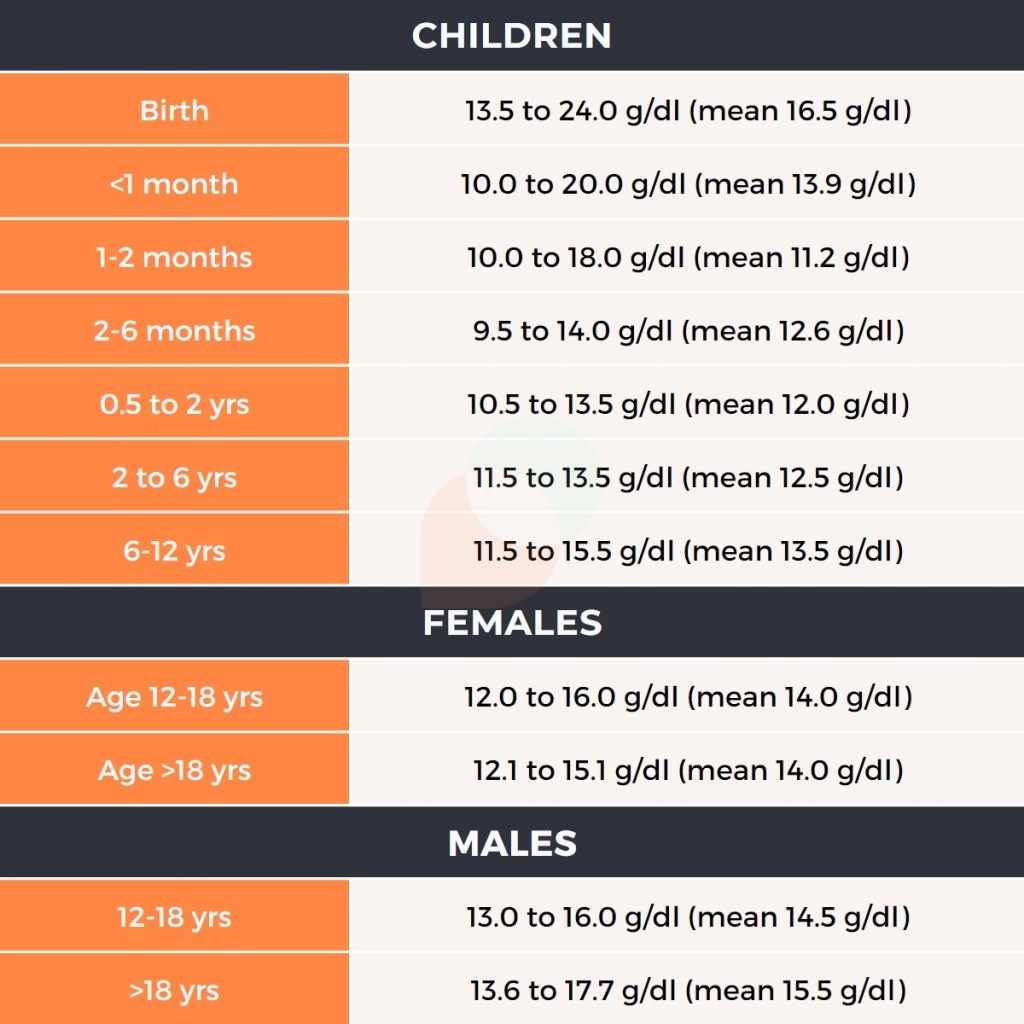
Normal Hemoglobin Range For You
So, go through the below table and know if your family and you have the right levels of hemoglobin.
When To See A Doctor?
If your hemoglobin is not increasing even after taking a proper diet, also even after adding foods as mentioned to your diet, then you might need to see a doctor. So, go through the below points and know when you have to visit a doctor and, continue living a healthy lifestyle.
- Pale skin and gums
- Fatigue and muscle weakness
- A fast or irregular heartbeat
- Frequent headaches
- Frequent or unexplained bruising
Conclusion
Boosting your hemoglobin is not just having the right diet; it is understanding what your body needs and making continued, informed choices.
Whether through iron-rich foods, vitamin-rich fruits, or small lifestyle choices, being able to build up your hemoglobin naturally can greatly boost your energy and immunity levels and much more.
Key Takeaways from the blog on how to increase hemoglobin:
About Hemoglobin: It is an important protein in red blood cells that carries oxygen into the tissues and removes carbon dioxide.
Risks of Low Hemoglobin: Low levels can result in symptoms like anemia, fatigue, shortness of breath, and pale skin, among others.
Causes for Low Hemoglobin: Nutritional deficiencies (iron, vitamin B-12, folate), blood loss, certain diseases, or hereditary conditions like thalassemia.
How to Improve Hemoglobin Naturally:
- Eat iron-rich foods such as spinach, legumes, pumpkin seeds, and pomegranate.
- Include sources of vitamin C (oranges, strawberries) to increase iron absorption.
- Take folate-rich foods as avocado, kidney beans, and rice.
- Let’s try superfoods like beetroot, moringa leaves, or sesame seeds.
- Maintain physical activity while working on regular exercise to stimulate hemoglobin production.
When to Consult a Doctor: If symptoms are persistent after changing the diet, then seek professional medical assistance.
Increasing hemoglobin is simple and achievable through proper dietary and lifestyle changes. Connect with a registered dietitian today for a healthier tomorrow!
Ready To Eat Food For Weight Loss
Watch this amazing video, by Dietitian Mac and know the secret ready-to-eat foods that you can eat in your weight loss journey. Moreover, they are delicious and easy to find.
Fun Fact
Often people choose pakode over Maggi because they think pakode is healthy and because they are made with vegetables it is a better choice. But what if we tell you Maggi is a better option to choose? Yes, know the difference between Maggi and pakode, and opt for right.
Shourya Lost 7 Kgs In 45 Days Achieving Normal Diabetes Level!
Shourya, an Amazon professional from Varanasi, tackled her high BMI and pre-diabetes with Fitelo’s vegetarian diet. In just 45 days, she lost 7 kgs, reduced her waistline, and normalized her HBA1C levels. Read her inspiring story here!
Frequently Asked Questions
How Can I Raise My Hemoglobin Fast?
To increase hemoglobin in a week, make sure you increase iron absorption, eat iron-rich foods, and add green vegetables or leafy vegetables to your diet.
Which Fruit Is Best For Hemoglobin?
The good fruits that can be used to raise hemoglobin levels are pomegranates and beetroot, which have plenty of iron and essential nutrients. The high levels of vitamin C in oranges and guava enhance the absorption of iron from these fruits.
What To Drink To Increase Hemoglobin?
The juice from beetroot, pomegranate, or orange can be consumed to increase hemoglobin since it contains a lot of iron and vitamin C. One can also get a boost through natural sources by taking spinach or moringa leaf smoothies.
What Is The Hemoglobin Normal Range?
The normal hemoglobin for men, is 13.2 to 16.6 grams per deciliter and for women, 11.6 to 15 grams per deciliter.
What Is Glycosylated Hemoglobin?
A type of sugar molecule, which is glucose in the blood, normally becomes stuck to hemoglobin molecules, which further means hemoglobin has become glycosylated. However, the higher a person’s blood sugar gets, the more of the person’s hemoglobin becomes glycosylated.
What Are Low Hemoglobin Symptoms?
Below is the list of some common symptoms of low hemoglobin, and if you notice any, it is, however, important to see the doctor.
- Fatigue
- Weakness
- Pale or yellowish skin
- Irregular heartbeats
- Shortness of breath
- Dizziness or lightheadedness
- Chest pain
- Cold hands and feet
- Headaches
What Is A Hemoglobin Test?
A hemoglobin test measures the levels of hemoglobin in your blood. However, if your hemoglobin levels are abnormal, it may be a sign that you have a blood disorder.
Contact Us Today
Your search to find the right guidance to be a part of all those fat-to-fit stories ends here. So, contact us today if you are looking for a diet plan with cheat meals. Also, we will discuss how we can help you achieve your weight loss goals.
Disclaimer
This blog post was written to help you to make healthy and better food choices altogether. So, be aware and take care. The important thing to consider is your own health before starting a diet that is restrictive. Therefore, always seek advice from a doctor/dietitian before starting if you have any concerns.

Make the most of your mushrooms with this hearty mushroom…